I am looking for one business to buy and operate.
In most companies the work that matters runs on spreadsheets, on a system nobody wants to touch, and on one person who understands all of it. Lose that person and it stops.
Rebuilding that is what I have done for a living. Four of those companies were owned by private equity, and I was there for the part after the deal, where somebody has to make what was bought actually work.
This time I want to do it for myself, and stay. One person. One company. I am the one running it on the Monday after we close.
If you’re years away from selling, that’s the normal case. Book it anyway.
WHERE
Detroit, Annapolis, & Tampa
WHAT
Recurring Work Customers Need Next Year.
WHO
One Person. No Fund, No Committee.
AFTER
Operate, Grow, & Hold
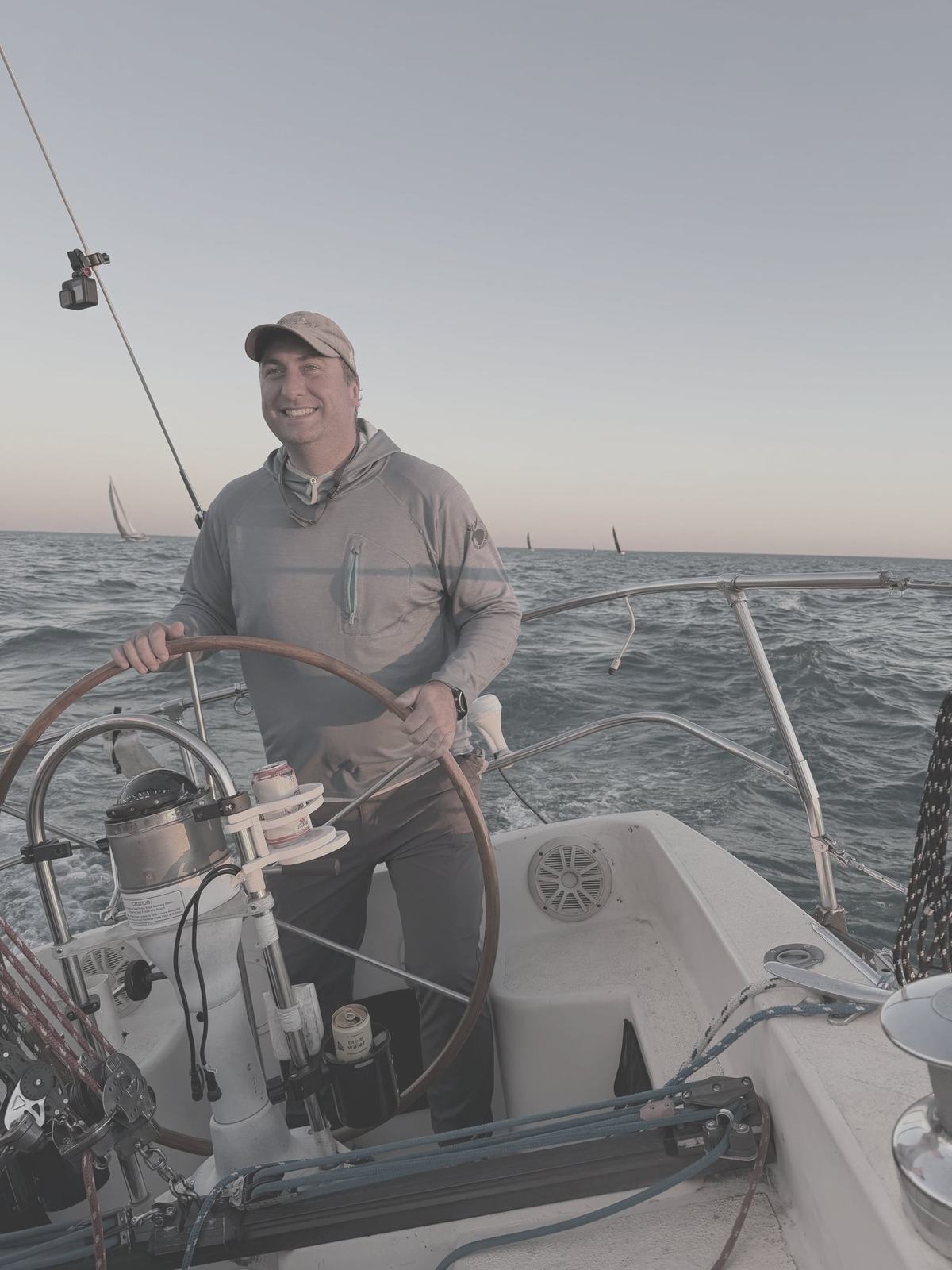
Why I am doing this
For eleven years I have built the thing other people make decisions from. I know which numbers are solid and which are held together with assumptions. Then the meeting happens somewhere else.
The plan I was handed was the standard one: be a good employee, rise up the ladder, invest what you make. What I watched instead is that highly compensated employees are replaceable and CEOs get ousted. The people who built something that lasted owned it and ran it themselves.
I want to be the one making the decisions now, and I want to still be there when they turn out to be right or wrong.

What I actually do
Somewhere in your company an hour a week has gone to the same task for six years, and nobody has had the room to ask why it is still done by hand.
It costs three things: error on work that has to be right, a process that lives in one head, and a capable person spending a week on five minutes of computer work. The fix is almost never dramatic.
I get people out of doing what a computer should be doing.

What that changes
Your customers notice first. The check-in call lands before the contract lapses. The phone gets answered. You come up when somebody searches for what you do.
Your people notice something different. Nobody is carrying the business in their head any more, so your best ones stop being the bottleneck. The relationship stays theirs; the remembering stops being their job.
Judgement, reading a customer, fixing the thing nobody has seen before — those are the first hours a manual process takes, and the ones I want back.
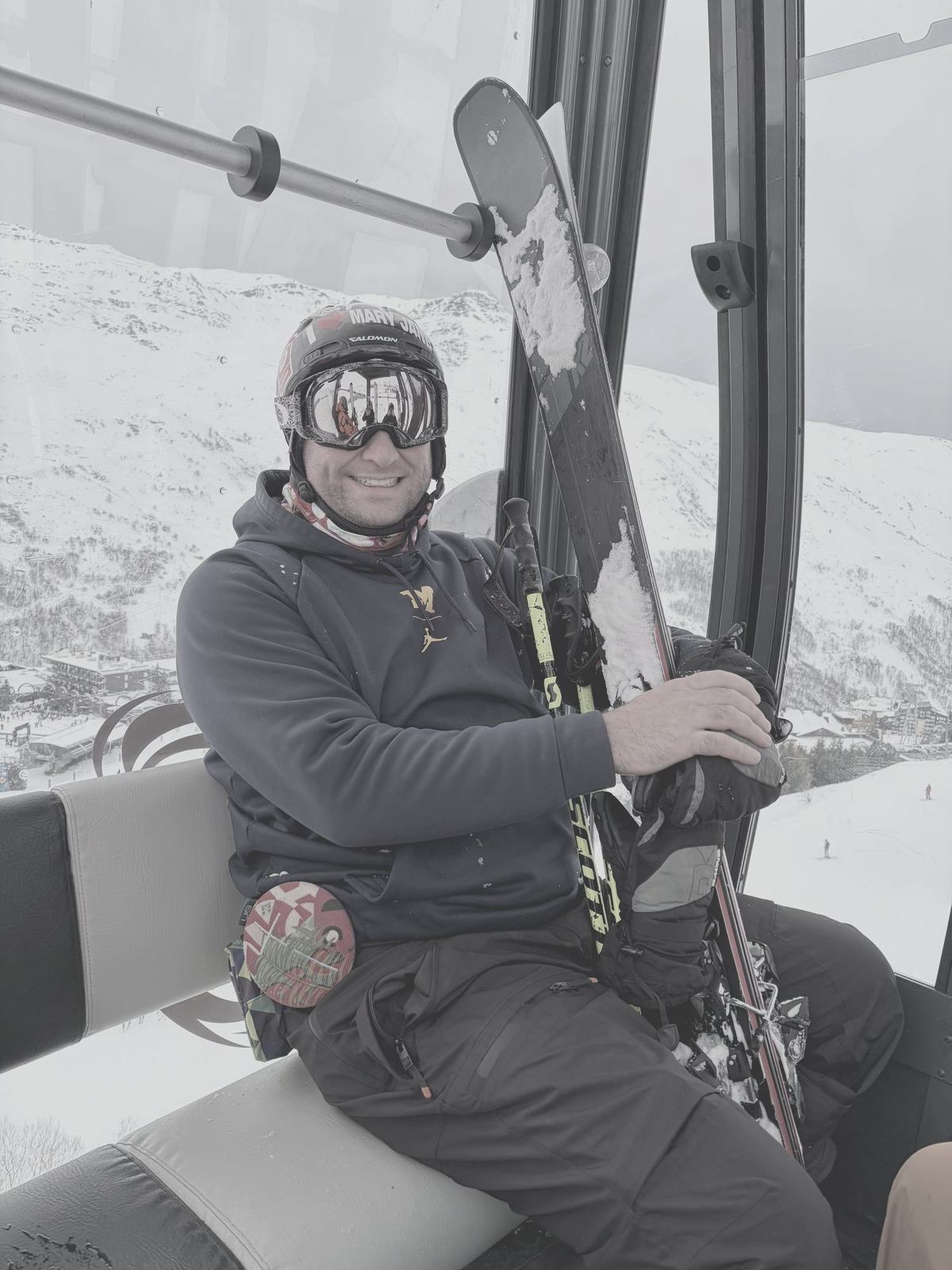
What I want you saying in two years
Two years after closing, somebody is going to ask you how it turned out.
He grew the company. He did things I didn’t even think of. He understands the business. He is paying his seller financing on time.
Three of those are yours to judge. The fourth is arithmetic, and it gets tested twelve times a year.